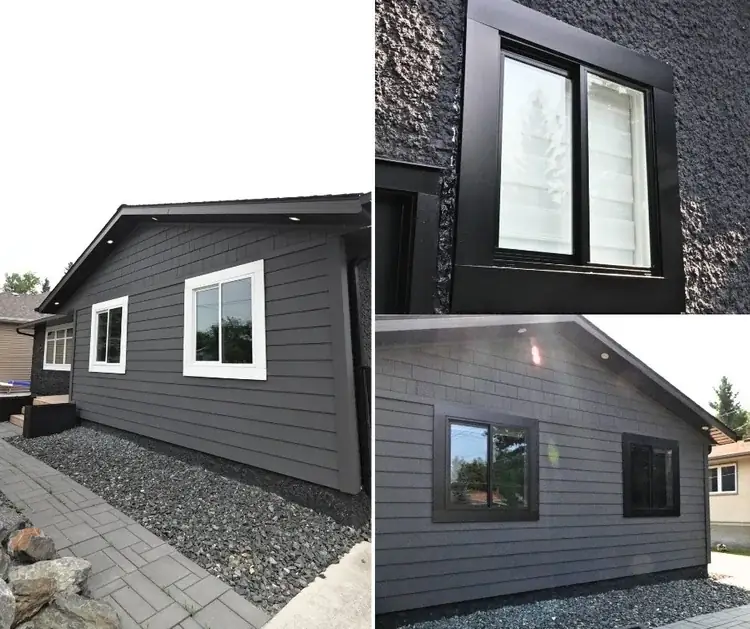
Painting in Winnipeg comes down to timing. Outside jobs belong in our short warm season, roughly late spring to early fall, while inside work can happen any month of the year.
Good prep and a careful contractor matter just as much as the calendar, because Winnipeg winters are hard on paint. This guide is for homeowners and property managers planning a project, whether that is a single bedroom or a full exterior. We cover when to schedule work, what freeze-thaw cycles do to siding and trim, how to prep your home, what to know about cabinets and decks, and how to pick Winnipeg painters you can trust. There is also a short FAQ at the end with quick answers to the questions we hear most.
When Is the Best Time to Paint a House in Winnipeg?
For outside work, the best window is late spring through early fall, once overnight temperatures stop dipping and before autumn cold snaps set in. Interior projects can be booked year round, and winter is often the easiest time to get on a painter's schedule.
Winnipeg has a short exterior painting season. Paint needs the air and the surface to stay within a certain temperature range while it cures, not just while it goes on. A warm afternoon followed by a frosty night can leave a finish that looks fine at first but fails early. Every product lists its own application range, so always follow the paint manufacturer's label rather than a rule of thumb.
Moisture matters too. Spring can bring wet siding and heavy dew, and summer thunderstorms can roll in fast. A good crew watches the forecast, starts after the morning dew has burned off, and stops early enough for the paint to set before evening.
Because the season is short, contractors who specialize in exterior painting in Winnipeg tend to book up early. If you want house painting in Winnipeg done in June or July, it pays to get estimates in late winter or early spring.
How Do Winnipeg Winters Damage Exterior Paint?
Freeze-thaw cycles are the main culprit. Water gets into small cracks in paint, caulking and wood, freezes and expands, then thaws and seeps deeper, and each cycle widens the gap a little more.
Spring and fall are the hardest stretches, when days climb above freezing and nights drop well below. Over a few years, that repeated movement shows up as peeling on window trim, lifting paint at the bottom of siding boards, and cracked caulking around doors. South and west facing walls also take a beating from strong summer sun, which fades colour and dries out the finish.
Older homes in neighbourhoods like River Heights and St. Boniface often have wood siding, detailed trim and original windows that need extra attention. Newer builds in Transcona or St. Vital may use different siding materials, but they still have trim, doors and garage doors that wear out.
Signs Your Exterior Is Due for Paint
- Paint peeling, flaking or bubbling, especially on trim and sills
- Chalky residue that rubs off on your hand
- Cracked or shrinking caulking around windows and doors
- Bare wood showing anywhere
- Colour that has faded noticeably on the sunny sides of the house
Repainting before bare wood is exposed usually means less repair work.
Interior Painting in Winnipeg: Why the Off-Season Works
Winter is a practical time for interior painting in Winnipeg, since the work does not depend on the weather outside and contractors often have more openings. The main things to manage are ventilation and the very dry air our furnaces create.
Dry air helps paint feel dry to the touch sooner, but very low humidity can cause its own problems. Some products may not level out well, leaving brush or roller marks, and drywall patches can dry too fast during repairs. Your painter should follow the product label and keep the house at a steady temperature while work is underway.
Ventilation is also harder in January than in July. Nobody wants windows open during a deep freeze, so low-VOC paints make a real difference. They have less odour and release fewer fumes, which is easier on families, pets and anyone working from home. Merner's uses premium and low-VOC paints for this reason.
How Should You Prep Your Home for a Paint Job?
Most of what makes a paint job last happens before the first coat goes on. Surfaces need to be clean, repaired and sound, and the rooms or yard need to be clear so the crew can work carefully.
A professional crew handles surface prep like scraping, sanding, patching, caulking and priming. It is worth asking about this in detail, because prep is where cheap quotes usually cut corners. Homeowners can still help the job go smoothly.
Interior Prep Checklist
- Move small furniture, lamps and breakables out of the room
- Take down art, mirrors, curtains and wall-mounted TVs
- Clear shelves and countertops in kitchens and bathrooms
- Choose colours ahead of time and test samples on more than one wall
- Plan where pets and kids will be while work is happening
Exterior Prep Checklist
- Trim back shrubs and branches touching the house
- Move patio furniture, planters and barbecues away from the walls
- Make sure the crew has access to water and power
- Let neighbours know if ladders may be near a shared property line
- Point out any areas you already know are soft, rotten or leaking
Test colours in your actual light. A grey that looks warm in a showroom can look cold in a north-facing living room in December. Check large samples in the morning, afternoon and evening before you commit.
Should You Paint or Refinish Your Kitchen Cabinets?
If your cabinet boxes and doors are solid and you like the layout, painting or refinishing them is usually a far more affordable way to update a kitchen than replacing them. The catch is that cabinets need much more prep than walls, so this is a job where skill shows.
Cabinets get touched, bumped, splashed and wiped every day. For paint to hold up, doors and frames need to be degreased, sanded, primed with the right product and finished with a durable coating. Skipping steps leads to chipping around handles and along edges.
Good cabinet painting in Winnipeg also depends on patience. Coatings need time to cure before doors are rehung and used heavily, and cold, dry winter air can affect how some finishes behave. Follow the product's cure guidance rather than rushing to put the kitchen back together.
Wood cabinets with a natural look are a different job. Instead of paint, they may need a new clear finish such as lacquer or varnish, which brings back the grain rather than covering it.
When Should You Stain Your Deck or Fence?
Decks and fences are best stained during stretches of dry, mild weather in late spring or summer, after the wood has fully dried from rain or washing. In Winnipeg, that means planning around the same short season as exterior painting.
Horizontal surfaces take more abuse than walls. Snow sits on decks for months, meltwater pools in spring, and summer sun bakes the boards. That is why deck stain tends to wear faster than house paint and needs regular upkeep. Larger lots in areas like Charleswood and Tuxedo often mean long runs of fence and big decks, so it helps to book these jobs early.
Proper deck staining in Winnipeg starts with cleaning, and sometimes sanding, to remove grey, weathered fibres and old flaking stain. The wood then needs to dry completely before stain goes on. Check the stain manufacturer's label for guidance on temperature, moisture and recoat times.
For a quick test, sprinkle some water on the boards. If it beads up, the finish is still protecting the wood. If it soaks in right away, the deck is ready for fresh stain.
Brick can be stained too. Unlike paint, brick stain soaks into the masonry instead of forming a film on top, which lets the brick keep breathing. It is a good way to change or even out the colour of a brick home.
How Do You Choose a Painting Contractor in Winnipeg?
Look for a contractor who is fully insured, gives you a detailed written estimate, explains their prep process clearly and can show you past work. Price matters, but the lowest quote often leaves out the prep that makes paint last.
Painting contractors in Winnipeg range from one-person operations to long-established companies, and the right fit depends on your project. Ask these questions before you sign anything.
- Are you fully insured, and can you show proof?
- Is the estimate written, and does it list prep, products, number of coats and what is included?
- What paint and primer will you use, and do you offer low-VOC options?
- How will you protect floors, furniture, landscaping and surfaces you are not painting?
- Can you share references or photos of similar homes you have painted?
- Who will be on site, and who do I contact if something comes up?
Watch out for vague quotes, pressure to decide on the spot, or a contractor who can't explain how they will handle peeling or damaged areas. A careful painter will walk the property and explain how they will fix problem spots.
Merner's Painting & Decorating brings over 50 years of painting experience to homes across the city, from River Heights to Transcona. Alongside residential work, the team offers commercial painting for property managers and business owners, and every job starts with a free estimate.
Frequently asked questions
How long does exterior paint last in Winnipeg?
It depends on the surface, the product, the prep and how much sun and moisture each side of the house gets. Trim and south-facing walls usually wear first because they take the most weather. Rather than repainting on a fixed schedule, walk around your home each spring and look for peeling, chalking, cracked caulking or bare wood. Those are the real signs it is time.
Can you paint a house exterior in the fall in Winnipeg?
Early fall can work well, as long as daytime and overnight temperatures stay within the range listed on the paint label while the coating cures. The risk grows as the season goes on, because cold snaps can arrive quickly. For a large project, it is safer to schedule it for summer and save fall for smaller touch-ups.
Is it safe to paint indoors in winter?
Yes. Interior painting in winter is common, and it is often easier to book. Choose low-VOC paints to keep odours and fumes down, since opening windows is not always practical. Keep the home at a steady temperature, run bathroom and kitchen fans where possible, and follow the product label for drying and recoat times.
How long should I wait before using painted cabinets?
Paint can feel dry within hours but take much longer to fully cure and harden. Handle freshly painted doors and drawers gently at first, and avoid scrubbing them or hanging heavy items from the handles until the manufacturer's full cure time has passed. Your painter should tell you what to expect for the specific product used on your cabinets.
Do I need to be home while painters are working?
Not usually, though it depends on the job and your comfort level. Many homeowners are there for the first walkthrough and the final inspection, and away the rest of the time. For interior work, agree ahead of time on access, pets, parking and which rooms are off limits. For exterior work, the crew mainly needs access to the yard, water and power.
Get a free estimate
Ready to plan your painting in Winnipeg? Merner's Painting & Decorating offers free estimates and is fully insured, with over 50 years of experience on homes and businesses across the city.
Call or text (204) 590-9412, email mernerkrowetzpainting@gmail.com, or book a free painting estimate online.
We serve Winnipeg and surrounding neighbourhoods including River Heights, St. Vital, St. Boniface, Tuxedo, Charleswood and Transcona. See every neighbourhood we cover across the city.